View Single Post
Old 05-22-2005, 12:38 PM  
FunForOne
Confirmed User
 
Join Date: Nov 2003
Location: USA
Posts: 8,704
Pretty good article explaining a little more:


BY PETER J. CATALDO

There are three myths in the politically charged controversy over stem cell research.

One is that all such work involves only embryonic stem cell research. A second is that embryonic stem cell research is the only stem cell research that can aid the treatment of certain types of diseases, and that opposing this type of research will deny unique benefits to those in need. The third myth is that the Roman Catholic Church opposes all stem cell research.

It is critically important for voters and policy makers to know and understand the facts on this issue. In Michigan, for example, legislation has been introduced that would amend an existing statute to allow for human cloning and embryonic stem cell research.

The truth is that there are two types of stem cell research -- embryonic and adult -- and that the treatment needs of people afflicted with debilitating diseases may be met with adult stem cell research. The fact that there are two types of stem cell research and that there are significant differences between them is often lost in the rhetoric.

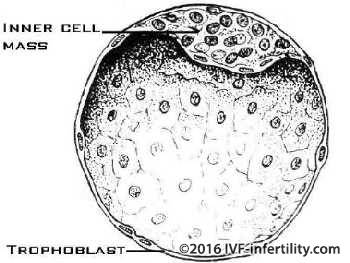
Extracting stem cells from embryos to establish embryonic stem cell lines kills embryos. Embryonic stem cells have proven difficult to work with and have a propensity to form tumors in experiments. Despite continuing embryonic stem cell research, to date there are no clinical treatments with these cells.

These facts are in contrast to the real success of adult stem cell research in which adult stem cells have been used to treat 56 different diseases. Adult stem cells are present in the body at any time following the embryonic stage of growth in the womb and throughout the remainder of an individual's life. Adult stem cells of newborns are also found in umbilical cord blood and the placenta. Neither the use of adult stem cells nor the establishment of adult stem cell lines involves the destruction of embryos or any disproportionate risk to the individual from whom the cells are taken.

The human embryo is not, as the proponents of embryonic stem cell research assume, "a bundle of cells" or an "undifferentiated mass of cells." Rather, the human embryo is an actual, self-integrating, unified individual being, endowed with human nature and as such is the proper bearer of fundamental human rights. It is a potential newborn or adult, but as real a human individual as any other human. To extract its stem cells is to destroy directly an innocent human life and to sacrifice that life for medical research. Support for this activity places a purely instrumental value on these human individuals who are equal in dignity to any other human being.

Another disturbing ethical concern in the debate is the denouncement that any opposition to embryonic stem cell research is "ideology, not science." What this means is that any position other than acceptance of embryonic stem cell research is necessarily biased and agenda-driven. This view (itself ideological) is disturbing not simply because it assumes there is an imperative to use all available technology, even at the expense of human life, but also because it sets up a false conflict between science and ethics. It is really saying that science should not be evaluated on independent moral grounds.

However, because science -- medicine in particular -- exists to serve the human person, a balance can and must be achieved between the great promise of stem cell research and respect for human life. This is precisely what adult stem cell research accomplishes.

The prospect of curing many debilitating conditions such as Parkinson's disease, diabetes, Alzheimer's disease and paralysis -- or at least significantly lessening the suffering they cause -- through stem cell research and therapy has captured the ethical and political attention of the world. The fact that there is so much at stake in stem cell research makes the issue a defining one for America.

It is important that we understand the whole story behind stem cell research, and as a result understand that to support adult stem cell research while opposing embryonic stem cell research is not ideological but ethically principled and fully consistent with the goals of science and the teaching of the Catholic Church.
FunForOne is offline   Share thread on Digg Share thread on Twitter Share thread on Reddit Share thread on Facebook Reply With Quote